

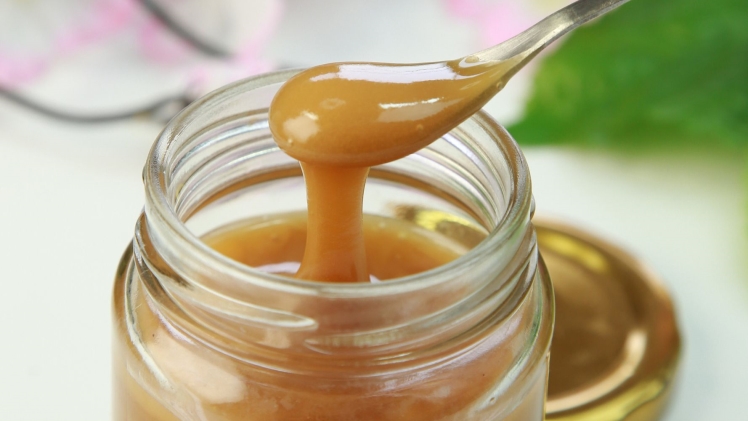
In Australia, manuka honey production is estimated to be about 400-800 tons every year. This honey is harvested or extracted from the stands of Leptospermum. Most of the Manuka honey is chiefly exported by globally owned companies. The bee’s population and the production of Australian manuka honey are increasing with every passing year. It, in turn, is advancing the overall tonnage of manuka honey available in both global and local markets. Such activities will significantly stabilise the manuka industry in Australia for the advantage of future generations to come.
Australian manuka honey is highly sought worldwide as Australia experiences significant benefits from having large economic pieces of land to grow wide varieties of Leptospermum. This country is also free of parasites like Varroa mite that destroys the hives. Also, manuka honey production significantly benefits from open, unpopulated, wide spaces or areas for bees to forage on indigenous plants, good soils, typically adequate rainfall, and an exceptional regulatory environment. Manuka honey contains distinctive UMF ratings according to the product.
Components of Manuka Honey
All raw honey has antibacterial qualities and some have more than others, like buckwheat honey for example. However, none of them are equal to the superior medicinal benefits of manuka honey. This honey has some exceptional antibacterial qualities. The main antibacterial component present in manuka honey is a compound termed methylglyoxal (MGO). This compound comes from the transformation of another compound present in manuka honey called dihydroxyacetone. A very high concentration of this compound is found in the manuka flower’s nectar.
Benefits
-
Aids in Wound Healing
Honey was used to cure wounds, sores, and burns for millennia. But after extensive research, it was evident that only manuka honey is an ultimate option for wound treatment. Several studies reveal that manuka honey can enhance wound healing, reduce pain in patients who suffer from burns, and even improve tissue renewal. Another study showed that about 87% of the wounds were reduced when this honey was used to treat non-healing injuries. Other evidence indicates that manuka honey can aid in healing diabetic ulcers. A study revealed that manuka honey dressings decreased recovery time in patients who were experiencing diabetic ulcers. Therefore, this kind of treatment with manuka honey is more efficacious than conventional treatment.
-
Supports Digestive Health
Regular consumption of manuka honey can aid in alleviating the symptoms seen in patients who suffer from irritable bowel syndrome. It is one of the most prevalent or common digestive diseases. Some studies also show that it can reduce symptoms such as abnormal bowel movements, diarrhoea, constipation, and abdominal pain. There is evidence that manuka honey can assist in treating other gut infections such as clostridium difficile. This infection causes bowel inflammation and diarrhoea, which is associated with conditions like colitis.
-
Promote Oral Health
It is essential to keep the mouth, teeth, and gums hygienic and healthy to limit adverse oral bacteria that can cause infections. Also, there is a need not to kill the good oral bacteria that help improve oral health. Research reveals that Australian manuka honey helps in killing some of the harmful bacteria associated with plaque development, tooth decay, such as “Aggregatibacter actinomycetemcomitans” and “Porphyromonas gingivalis”.
Studies also reveal that the consumption of honey sweets made from manuka honey can decrease gingivitis and plaque. It is because this honey consists of strong antibacterial effects and does not consist of refined sugar. It is improbable to bring about tooth decay. It is even more helpful than masticating sugar-free gum in decreasing gingival bleeding and plaque. However, should your symptoms persist, don’t hesitate to cure gingivitis at avon lake dentist.
