

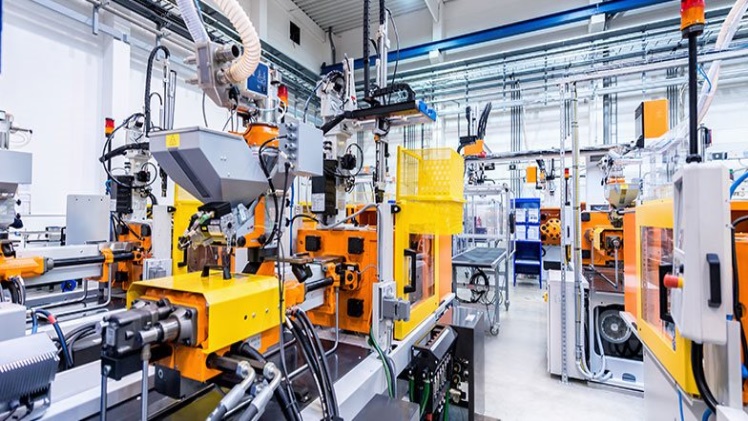
When it comes to plastic materials, there are over 85 000 commercial plastic materials and over 45 polymer families available; there’s a wide range of different plastics to choose from for injection molding. Of all these varieties, polymers can be divided into two groups; thermometer and thermoplastics.
The popular types of plastics used are high-density polyethylene(HDPE) and low-density polyethylene (LDPE). Polyethylene is mainly used for its numerous advantages, such as high ductility levels, strong impact resistance, resistance to moisture absorption, good tensile strength, and recyclability. These materials best fit into an injection molding machine and result in the production of the perfectly shaped item/product.
Other Types of Plastics Used for Injection Molding
Below is a list of other types of plastics used in injection molding; they include:
-
Acrylonitrile Butadiene Styrene (ABS)
This plastic is a tough one and is usually impact resistant. It is widely acknowledged across the industry for its good resistance to acids and bases. With ABS plastic, there’s a chance for high dimensional stability and low shrinkage rates
-
Polycarbonate (PC)
The PC is strong and impact resistant, with a low shrinkage rate and high dimensional stability. Also, the PC is a transparent plastic, can provide a high cosmetic finish, and serve as good heat resistance.
-
Aliphatic Polyamides (PPA)
There are different types of PPA ( or nylons), each of which has its peculiar features and benefits. Naturally, nylons have a high strength and temperature resistance; they’re also famous for their resistance to strong acids and bases. Some nylons are abrasive resistant; they provide good hardness with high impact Urdughr resistance.
-
Polyoxymethylene (POM)
POM is known as acetal; it’s famous for its high hardness, stiffness, toughness, and strength. It is highly lubricious and resistant to hydrocarbons and organic solvents. Its unique features of elasticity and slipperiness are advantageous for some applications.
-
Polymethyl Methacrylate (PMMA)
PMMA can also be called acrylic; it has high optical properties and provides high gloss and scratch resistance. It also has a low shrinkage rate and offers less sink for structures with thin and thick sections.
-
Polypropylene (PP)
The PP material provides a high impact resistance in specific grades but can be easily broken in cold temperatures( like the propylene homopolymer). Copolymers provide additional excellent impact resistance, while PP also provides high wear-resistant. Additionally, they’re highly flexible and offer high elongation, and are resistant to acids and bases.
-
Polybutylene Terephthalate (PBT)
PBT consists of good electrical properties, which makes it the best choice for power components and also automotive applications. The strength capacity ranges between moderate and high depending on the glass fill. However, unfilled grades remain tough and flexible. Also, PBT displays fuel, fats, oils, and other solvents; however, it doesn’t retain flavors.
-
Polyphenylsulfone (PPSU)
The PPSU is a highly sought-after material with high toughness, heat, and temperature resistance. This material is also resistant to radiation stabilization, weak acids, and alkalis.
-
Polyether Ether Ketone (PEEK)
PEEK is a high-temperature and high-performance resin that offers heat, flame, and chemical resistance. It also provides excellent strength and dimensional stability.
-
Polyetherimide (PEI)
PEI (or Ultem) provides high temperature, flame, and chemical resistance. It also offers high strength and dimensional stability.
