

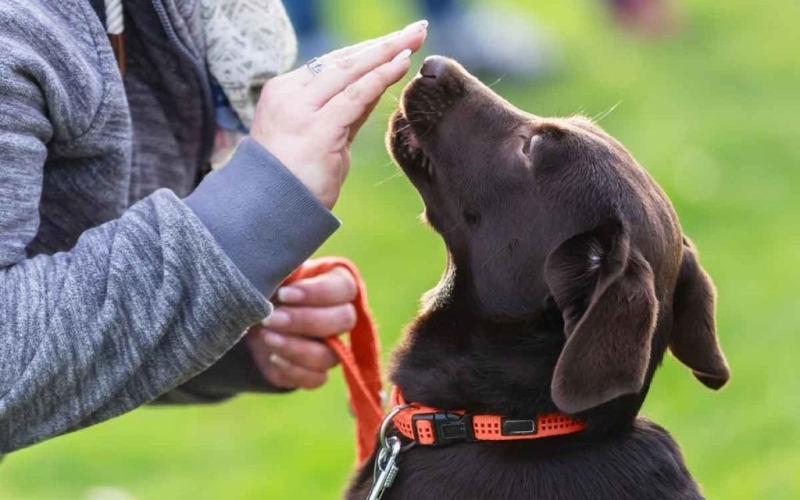
Emergency cues for dogs are crucial because they can save your dog’s life in critical situations.
Whether preventing them from darting into traffic, stopping them from consuming something harmful, or recalling them from potential danger, these cues can help provide immediate control and safety.
In unpredictable or hazardous scenarios, having a dog that responds reliably to emergency cues ensures quick intervention and prevents accidents or injuries. Proper training and practice of these cues can mean the difference between a safe outcome and a dangerous or life-threatening situation for your beloved pet.
Nevertheless, you should consider being equipped with cheap pet insurance at least. Pet health insurance allows you to support your four-pawed companion with affordable testing, treatments, and medications, so why not contemplate purchasing a policy?
Basic emergency commands to teach your dog
Ensuring your dog’s safety in crowded places and other complicated situations relies on effective cues and proper training. Key cues to consider teaching your pet are –
1.Heel or Close
Teach your dog to walk calmly beside you, reducing the risk of tripping or tangling leashes in crowded areas.
2.Sit or Stay
These cues can help keep your dog in one place, preventing them from darting into traffic or getting lost in the crowd.
3.Leave it or Drop it
Use this cue if your dog shows interest in something potentially harmful or distracting on the ground.
4.Watch me or Eyes on me
This cue redirects your dog’s attention to you, which is especially useful in busy areas to avoid distractions.
5.Wait or Be there
Teach your dog to pause before crossing streets or entering/exiting crowded spaces like parks or stores.
6.Back
Helpful in guiding your dog away from hazards or congested areas.
7.Quiet
Ensure your dog doesn’t bark excessively or become overly excited in crowded places.
8.Easy or Gentle
Encourage gentle interactions with people or other dogs, reducing the risk of aggressive behavior.
9.Off
Use this cue to prevent your dog from jumping on people or surfaces in crowded environments.
10.Recall or Come
A reliable recall cue is crucial for getting your dog to return to you promptly, especially if they get separated in a crowd.
11.Collar grab
Teach your dog to accept you grabbing their collar calmly, which can be essential for restraint or leash management in crowded areas.
12.No or Stop
A critical general cue to redirect your dog from unsafe actions or behaviors.
Consistent training and practice are vital to ensure your dog responds reliably to the above cues. Start in quieter environments and gradually expose your dog to busier places.
Positive reinforcement, treats, and praise can help reinforce their obedience. Always use a leash or harness to maintain control, and ensure your dog is properly tagged with contact information and a microchip in case they get separated in a crowd.
Crowded places can pose several dangers for dogs
- Tripping hazards: Dogs can get tripped over or stepped on in crowded areas, potentially leading to injuries.
- Lost or stolen: In crowded places, dogs can easily slip away from their owners or, in some cases, be stolen.
- Stress, fear, and anxiety: The noise, commotion, and unfamiliar surroundings can cause stress and anxiety in dogs.
- Overstimulation: Excessive stimuli from crowds can overwhelm dogs, leading to behavioral issues or fear.
- Ingestion of harmful items: Dogs might ingest food, litter, or other items on the ground that can be toxic or cause digestive problems.
- Aggressive dogs: Interactions with unfamiliar dogs can sometimes lead to conflicts or aggression.
- Heat exhaustion: In warm weather, crowded places may lack adequate shade and water, increasing the risk of heat exhaustion for dogs.
Owners should be vigilant, use leashes, and ensure their dogs are trained to follow cues for safety in crowded environments. Simultaneously, they must consider being prepared with pet health insurance. Cheap pet insurance makes getting medical care during accidents, illnesses, and emergencies much easier, which is why you should consider it.
